



‘Premiumisation’ Dominates the Residential Sector: How India’s Homebuyers Are Choosing Bigger and Better Homes
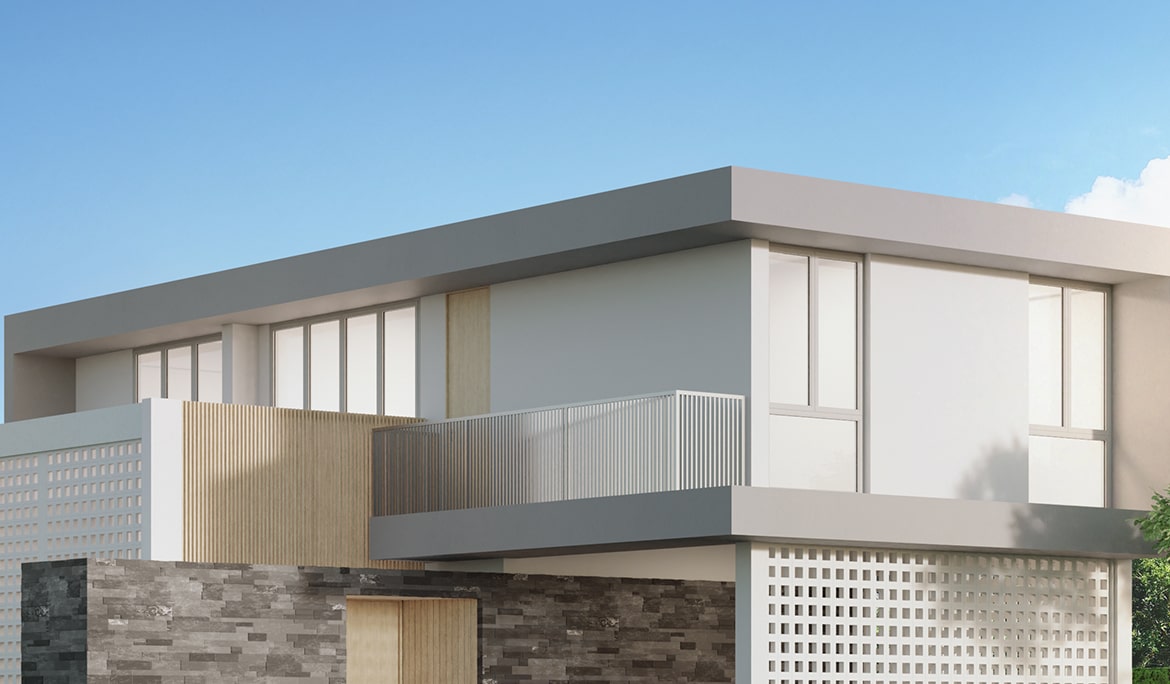
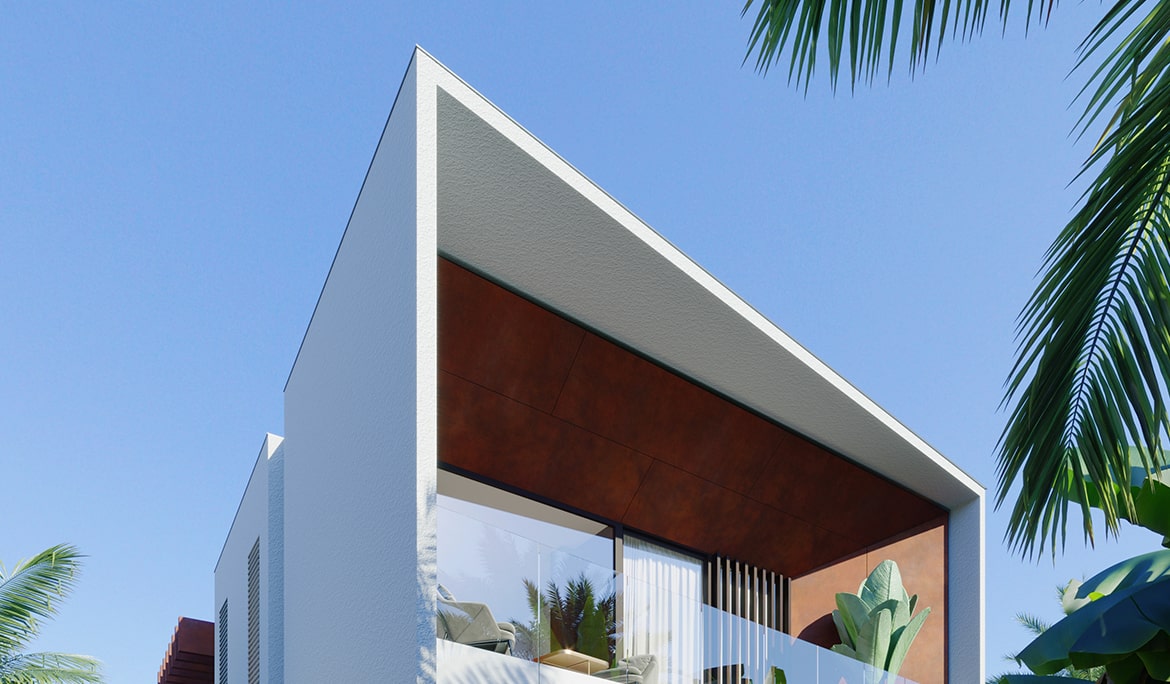
India’s residential real estate sector is undergoing a significant transformation, with premiumisation emerging as one of the most influential trends in the housing market. Homebuyers are increasingly looking beyond basic housing requirements and showing interest in larger apartments, luxury residences, gated communities and homes equipped with modern amenities. This shift reflects changing lifestyles, rising aspirations, evolving household preferences and the growing importance of comfort, convenience and quality of life.
Premiumisation refers to the movement of consumer demand towards higher-quality and higher-priced products. In residential real estate, it means that buyers are increasingly considering properties with better locations, larger living spaces, superior construction, enhanced security and lifestyle facilities. The trend is reshaping the strategies of property developers and influencing the types of housing projects being launched across major Indian cities.
From Bengaluru and Hyderabad to Mumbai, Delhi-NCR and Pune, the growing interest in premium homes is changing the composition of residential demand. While affordable housing remains essential for millions of households, premium properties are gaining prominence in the strategies of developers and investors.
What Is Driving the Premiumisation Trend?
One of the major factors behind premiumisation is the changing profile of Indian homebuyers. As the economy develops and professional opportunities expand, a section of buyers is willing to allocate more of its income towards housing that offers greater comfort, better amenities and long-term value.
The expansion of the information technology, financial services, consulting and multinational corporate sectors has created demand among professionals seeking homes that match their income levels and lifestyle expectations. In many cases, homebuyers are prioritising quality over minimum space requirements, particularly when purchasing a property for long-term use.
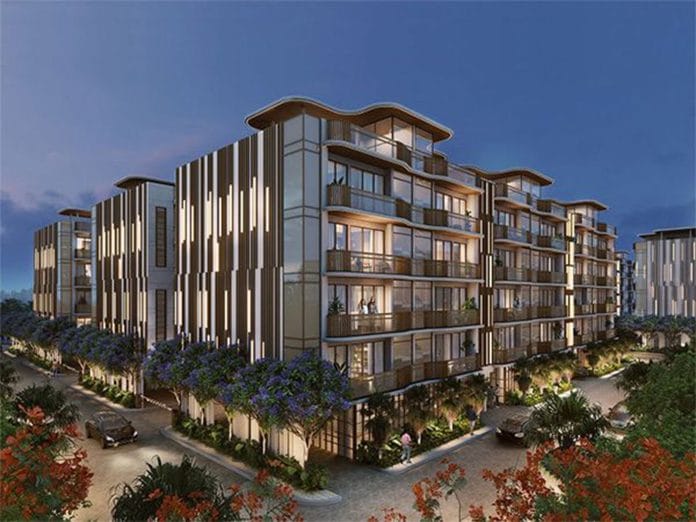
Another important factor is the growing preference for organised residential communities. Modern housing projects often include landscaped gardens, fitness centres, swimming pools, children’s play areas, clubhouses, parking facilities and round-the-clock security. These features appeal to buyers who want residential convenience and recreational facilities within their neighbourhood.
The pandemic also influenced housing preferences by highlighting the importance of comfortable living spaces. For some households, dedicated work areas, balconies, improved ventilation and additional rooms have become more important considerations when selecting a home.
Premium Housing Gains a Larger Market Share
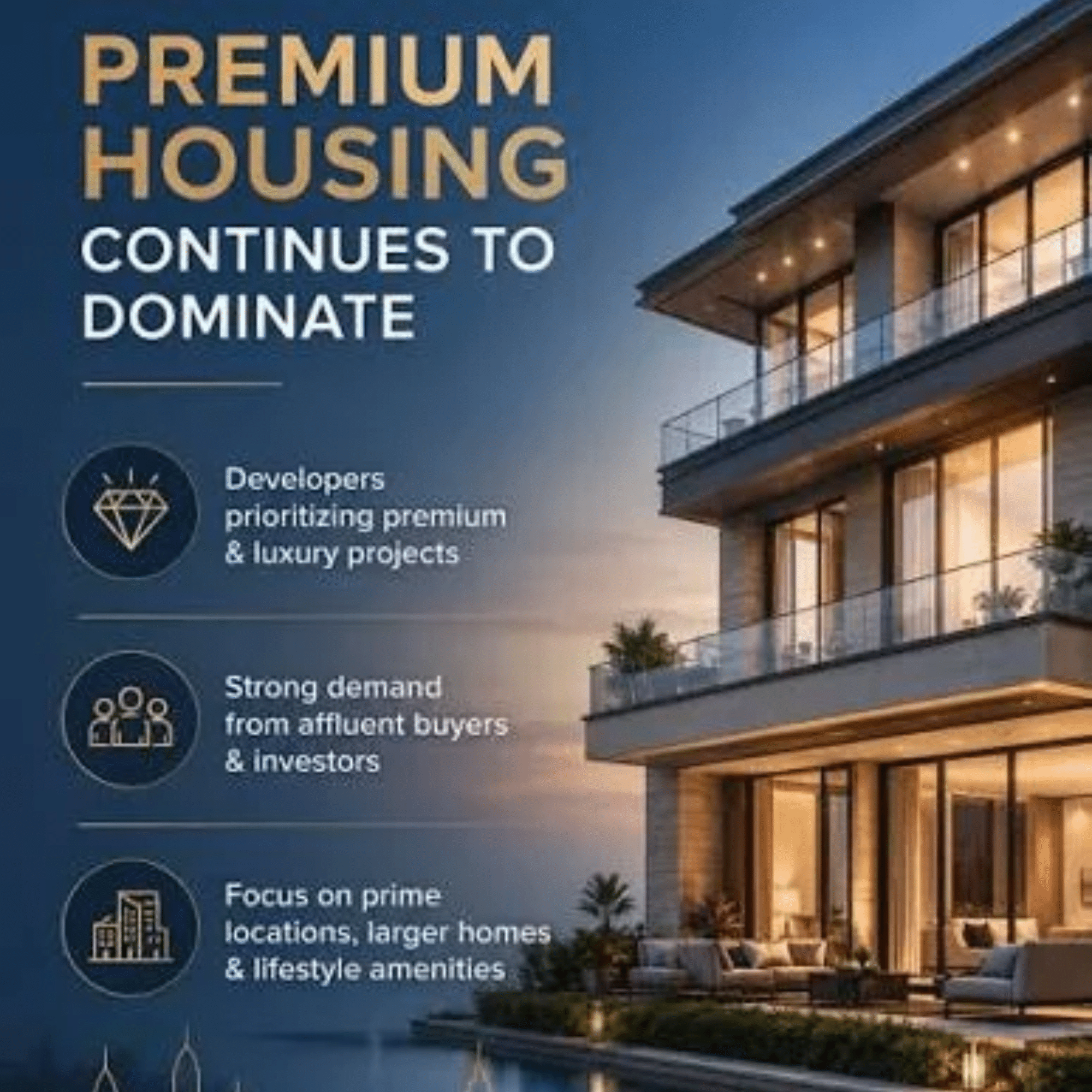
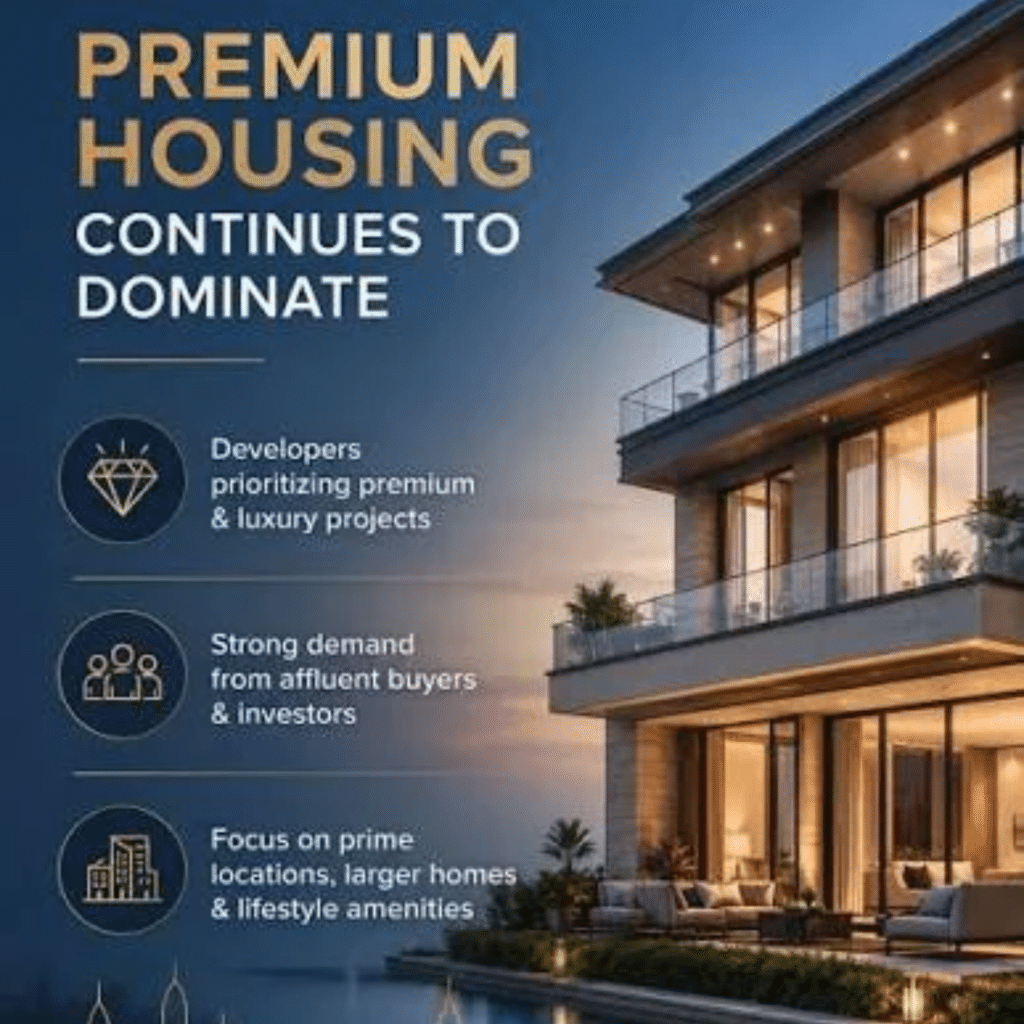
Recent industry reports provide clear evidence of the shift towards premium homes. According to JLL’s analysis of India’s residential market, apartments priced above ₹1 crore accounted for 63% of residential sales in 2025, compared with 53% in 2024 and 46% in 2023. This happened even as overall housing sales declined by 11% year-on-year to 270,323 units in 2025.
Share of residential sales for homes priced above ₹1 crore
However, these figures should not be interpreted as evidence that all homebuyers are moving towards luxury housing. They show a changing distribution of sales by price, which can also be influenced by rising property prices and the declining availability of lower-cost homes.
Major Cities Lead the Premiumisation Wave
India’s major metropolitan cities are at the centre of this transformation, although each market has its own growth drivers.
Bengaluru benefits from its technology industry, professional workforce and expanding business districts. Mumbai continues to attract high-income buyers because of its financial-sector concentration and limited land availability in established locations. Delhi-NCR offers a wide range of premium apartments, luxury developments and integrated townships, while Hyderabad and Pune attract buyers seeking modern homes near employment hubs.
Bengaluru provides a particularly striking example. JLL reported that the share of premium housing in the city’s residential sales increased from 35% in 2023 to 72% in 2025. The trend reflects strong demand for higher-value properties, supported by the city’s employment ecosystem and buyer preference for quality residential developments.
Developers Are Changing Their Strategies
Premiumisation is influencing not only buyer preferences but also the supply side of the residential real estate industry. Developers are increasingly allocating resources to higher-value projects, including larger apartments, luxury towers and gated residential communities.
Higher-priced developments can generate greater revenue per unit and may offer better margins, depending on land costs, construction expenses and sales performance. This has encouraged developers to focus on projects aimed at financially stronger households.
Design and amenities are also becoming important differentiators. Features such as smart-home technology, energy-efficient systems, landscaped open spaces, wellness facilities, concierge services and improved security can help projects stand out in competitive markets.
Nevertheless, premium housing requires careful planning. Developers must understand local demand, avoid excessive pricing and maintain construction quality. An oversupply of expensive homes in a particular location could result in slower sales and higher inventory levels.
The Affordability Challenge
While premiumisation supports market value growth, it raises concerns about affordability. The increasing focus on expensive properties can make it harder for middle-income households and first-time buyers to find homes within their budgets.
JLL’s 2025 market analysis found that sales of homes priced below ₹1 crore declined by approximately 30% year-on-year, contributing to the overall fall in residential sales.
The decline does not necessarily mean that every affordable housing market is weakening equally. However, it highlights the growing divide between premium demand and more price-sensitive segments.
For many families, higher property prices mean larger down payments, bigger home loans and longer repayment commitments. Buyers may also need to move farther from employment centres to find affordable options, increasing commuting costs and travel time.
A sustainable housing market therefore requires a balanced supply of premium, mid-income and affordable homes. Developers and policymakers need to ensure that urban growth does not leave lower- and middle-income households with increasingly limited choices.
What Lies Ahead for the Residential Sector?
Premiumisation is likely to remain an important influence on India’s housing market as urbanisation, infrastructure development and changing consumer expectations reshape residential demand. Buyers will continue to evaluate properties on factors such as location, construction quality, connectivity, amenities and long-term usability.
However, future growth will depend on economic conditions, employment trends, borrowing costs and the ability of households to afford higher property prices. Developers that align their projects with genuine local demand may be better positioned to navigate changing market conditions.
The affordable and mid-income segments will remain important to the broader housing ecosystem. A market that relies excessively on high-value transactions could face challenges if demand from wealthier buyers slows or premium inventory builds up.
Premiumisation is reshaping India’s residential real estate sector, shifting attention towards larger homes, better amenities and higher-value developments. The rising share of properties priced above ₹1 crore demonstrates how significantly the composition of housing sales has changed in recent years.
For developers, this trend presents opportunities to innovate and deliver differentiated residential projects. For buyers, it reflects growing expectations about comfort, convenience and quality. Yet, the trend also underlines the need to address affordability and maintain a balanced housing supply.
The long-term strength of India’s residential sector will depend on its ability to combine premium housing growth with accessible homes for a wider range of households. Premiumisation may be driving market value today, but inclusive and sustainable housing development will remain essential to the sector’s future.